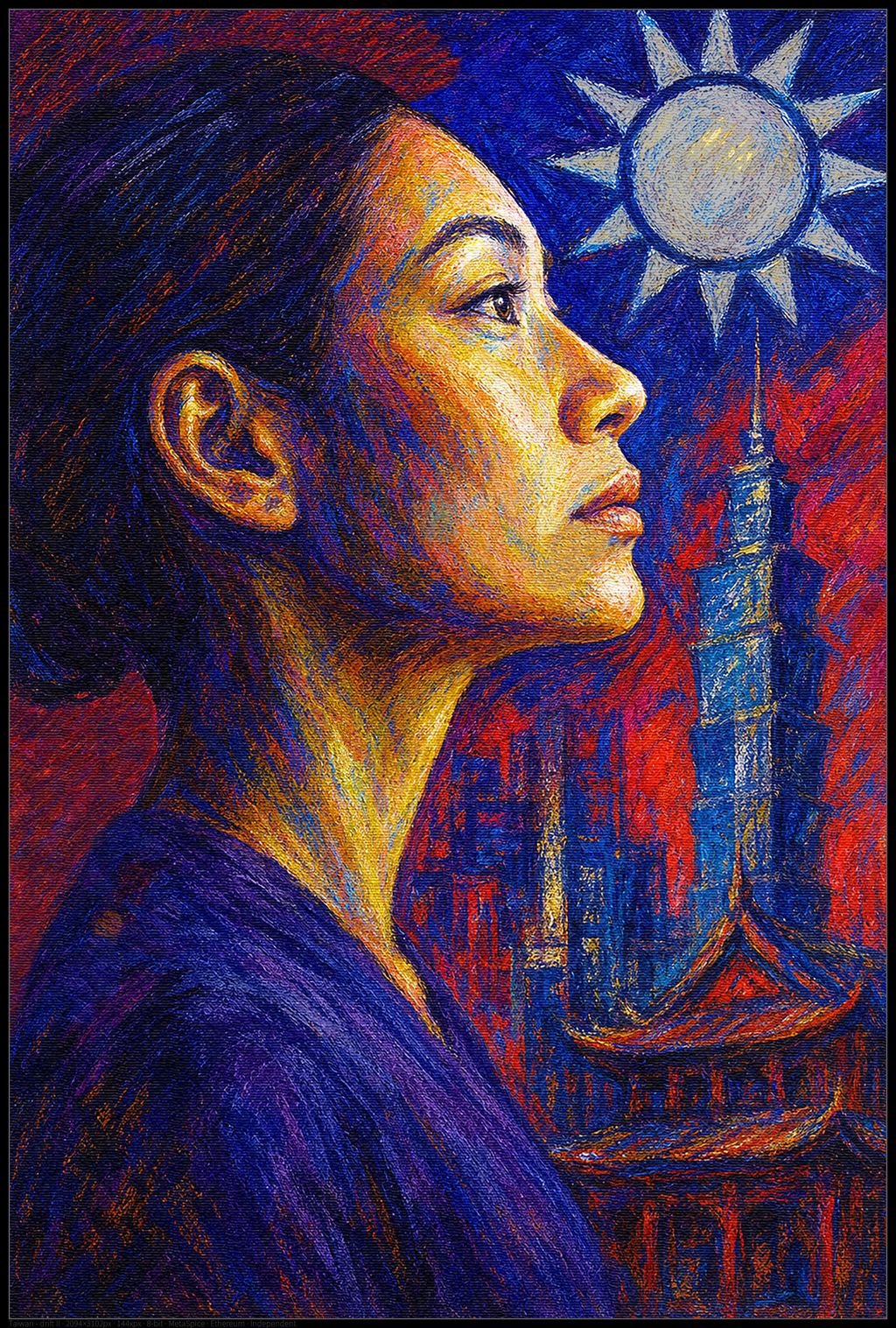
Culture, Traditions, and Everyday Life
Taiwan often appears in international news because of politics, technology, or tensions with China.
But most of the time, Taiwan is simply a place where people live their lives.
Families gather for dinner.
Students study for exams.
Night markets fill with crowds.
Scooters weave through city streets.
Temples stand beside convenience stores.
Ancient traditions exist comfortably alongside some of the world's most advanced technology.
One of the first things many visitors notice is the importance of community and family. Multiple generations often remain closely connected, and family gatherings play an important role in daily life. Respect for parents, grandparents, and elders remains a significant cultural value.
Food is another central part of Taiwanese life.
Taiwan's cuisine reflects centuries of cultural influences, including Indigenous traditions, migration from different regions of China, Japanese rule, and modern international influences.
Night markets are among Taiwan's most famous cultural institutions. They function as restaurants, community gathering spaces, and social hubs all at once. Visitors can find everything from traditional snacks and seafood to modern street food and desserts.
Religion in Taiwan is often flexible and practical rather than strictly defined. Many people blend elements of Buddhism, Taoism, folk beliefs, ancestor veneration, and local traditions. Temples remain important community centers and are woven into everyday life rather than existing separately from it.
Taiwan is also known for its festivals.
Lunar New Year remains one of the most important celebrations of the year. Other major events include the Lantern Festival, Dragon Boat Festival, Mid-Autumn Festival, and numerous local temple festivals that bring neighborhoods together through food, music, parades, and religious ceremonies.
Education is highly valued.
For generations, many Taiwanese families have viewed education as one of the most reliable paths toward opportunity and stability. This emphasis on learning helped contribute to Taiwan's development as a major center for technology, engineering, manufacturing, and scientific research.
Taiwan is also home to diverse Indigenous communities whose histories extend thousands of years before the arrival of later settlers. These communities maintain unique languages, traditions, music, crafts, and cultural practices that remain an important part of Taiwan's identity.
One of Taiwan's most notable characteristics is its ability to combine different influences without losing its own sense of identity.
Indigenous traditions.
Chinese cultural heritage.
Japanese influences.
Western influences.
Modern global culture.
Rather than replacing one another, these layers often exist side by side.
Visitors frequently describe Taiwan as welcoming, polite, and practical. Public spaces are generally clean, transportation systems are efficient, and daily interactions are often marked by courtesy and consideration.
Perhaps Taiwan's greatest cultural strength is not any single tradition but its ability to adapt. Over centuries, the island has experienced migration, colonization, political upheaval, economic transformation, and rapid modernization. Yet it has repeatedly absorbed change while preserving a strong sense of community and continuity.
The result is a society that feels both deeply rooted and remarkably modern.
—
Deeper Dive
Murray A. Rubinstein (Editor)
Taiwan: A New History
Jonathan Manthorpe
Forbidden Nation: A History of Taiwan
Steven Phillips
Between Assimilation and Independence
Melissa J. Brown
Is Taiwan Chinese?
Shelley Rigger
Why Taiwan Matters: Small Island, Global Powerhouse