About
The Shot Heard Around the World
-
In April 2023, an American brewery built on selling enormous volumes of mediocre beer partnered with a popular transgender social media creator and sent her a personalized beer can to celebrate a milestone in her life. The promotion was small. The reaction was not.
A singer whose biggest crossover hit borrowed its hooks from Warren Zevon and Lynyrd Skynyrd bought cases of the beer and shot them up for a video. A country singer changed the beer brand in one line of his song and turned the switch into a niche crowd-pleasing gesture. A political consultant who had briefly worked for a grifter presidential candidate put a can on a tee-ball stand, hit it with a bat, and used the cheesy stunt to sell his own beer. The internet preserved every second.
They were the most theatrical faces of a much larger pile-on. Other loud, proud voices of hate and grift joined in, punching down on one woman for appearing in a beer promotion. Each new performance gave the outrage another push.
The brewery had invited her into the spotlight, then failed to stand beside her when it turned ugly. She faced harassment while the company tried to quiet the controversy.
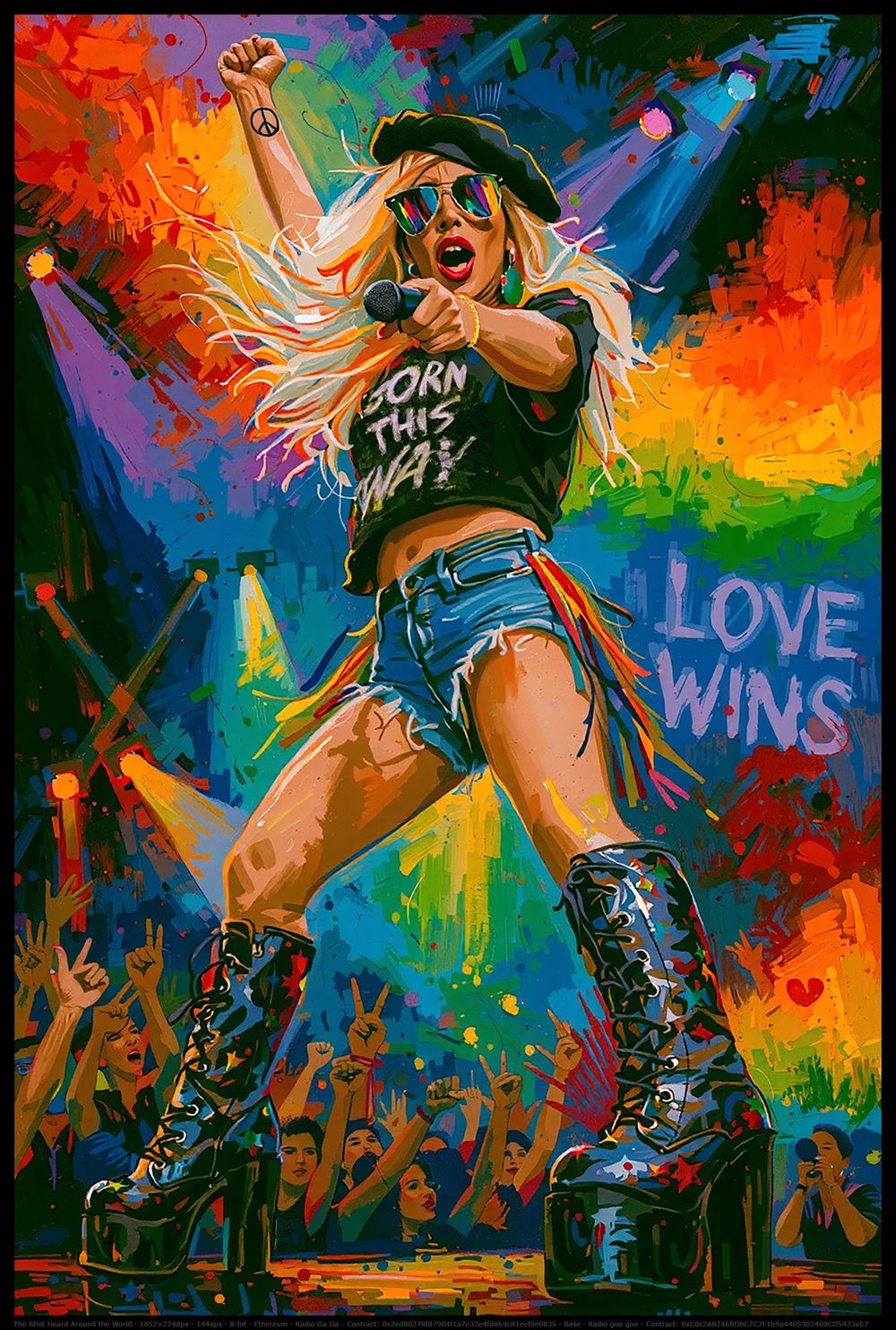
But she was not alone. High-profile people spoke up for her—some directly, others through what they said, did, and had long stood for. Their message was simple: live your life, and let others live theirs.
—
Friends
Garth Brooks — Country music’s pop king turned out to be one of the good hillbillies. While other bars made a show of dumping Bud, he said his Nashville honky-tonk would serve it, and everyone would be welcome through the door. Gay, straight, trans, whoever: come as you are, have a beer, and let the next person do the same. Bud may be piss-water, but Brooks wasn’t letting the loudest assholes decide who got to drink it.
===
Megan Rapinoe — A World Cup champion who helped fight for equal pay in soccer, she has never treated the field as a place to leave her convictions behind. She has spoken plainly for LGBTQ+ rights and for trans kids who just want the chance to play. While grown-ass men were performing outrage over a beer can, Rapinoe was calling out the habit of using women’s sports as an excuse to attack trans people. The can-shooters had props for clicks; she had a record.
===
Billie Joe Armstrong — As Green Day’s frontman, he turned punk rock into arena-sized songs without learning to keep his mouth shut. Openly bisexual, he has called the panic over trans kids “fucking close-minded” and made a Green Day love song into what he called a queer singalong. For decades he has given racists, bullies, and political grifters the same answer, whether in a lyric or from the stage: fuck off. The beer-can tantrum was the kind of bullshit Green Day had been railing against at full volume for years.
===
Michael Imperioli — The actor who played Christopher Moltisanti on The Sopranos knows how to deliver a threat, and he turned that gift on bigotry. After the Supreme Court ruled for a wedding website designer who had not actually turned away a same-sex couple, he sarcastically announced that bigots and homophobes were forbidden from watching anything he’d acted in. The ban was a joke; his contempt for discrimination was not. If exclusion was the new rule, Imperioli made the assholes imagine themselves on the other side of the door. Same poison as the beer-can pile-on, with a different prop.
===
Howard Stern — The shock jock who crowned himself the King of All Media watched Grandpa shoot up beer cases and asked the question the whole pile-on deserved: how does a trans woman holding a can hurt you? On air, he challenged the outrage from Rock and Travis Tritt and said gay and trans people weren’t hurting his life. For a man who made a career out of saying the outrageous thing, his answer was almost suspiciously simple: let people live. Turns out the guy with the microphone had more guts than the guy with the gun.
===
Ed O’Neill — He played Al Bundy on Married... with Children and, later, a father learning to embrace his gay son on Modern Family. When Youngstown State, his alma mater, chose an election-lying congressman as its president, O’Neill said he would return the honorary doctorate it had given him. The degree had meant something to him; under that leadership, he said, it no longer did. Different fight from the beer-can pile-on, same refusal to smile politely and go along.
===
Dolly Parton — American royalty, from country to pop to rock, with enough rhinestones to light a small town. She made being gloriously yourself look easy and extended that grace to everyone else, including the LGBTQ+ fans who loved her back. When her home state passed anti-trans laws, Dolly’s answer was that everybody deserved to be treated well. She put care into action, too, sending free books to children through her Imagination Library. No velvet rope around Dolly’s idea of who belonged.
===
Pedro Pascal — From Narcos and Game of Thrones to The Mandalorian, he has played protectors with plenty of range; offscreen, he has shown what that looks like without a script. He celebrated his sister Lux when she came out as trans and has used his own fame to stand up for trans people more broadly. He wore a “Protect the Dolls” shirt in public and called a prominent anti-trans post “heinous loser behavior.” Warm with the people he loves, sharp with those who make sport of them.
===
Maren Morris — The American singer-songwriter made her name in country music and refused to pretend its doors were open to everyone. She called out racism, sexism, and hostility toward LGBTQ+ people in the industry. When an anti-trans feud brought her a pundit’s “lunatic country music person” insult, she put it on a T-shirt and raised money for trans advocacy. She loved the music enough to challenge the people policing who belonged in it. They gave her an insult; she made them fund the welcome mat.
===
Viola Davis — An EGOT-winning American actress and producer, she has spent her career demanding room for people Hollywood too often leaves outside the frame. She speaks openly about racism and unequal opportunity, supports LGBTQ+ families, and builds work for underrepresented voices through her production company. Playing queer blues pioneer Ma Rainey, she gave us a woman who knew her worth and refused to make herself smaller. Davis carries that same conviction offscreen: everybody deserves the chance to be seen in full.
===
Joan Baez — The folk singer-songwriter helped teach America that a beautiful voice could be a form of resistance. She marched for civil rights, opposed war, and sang at benefits against a California measure that would have barred openly gay people from teaching. For Baez, standing with people under attack was never a fashionable detour from the music; it was part of the reason to sing. Long before “ally” became a badge, she showed up.
===
Colin Kaepernick — The NFL quarterback took a knee against racial injustice and never played another league game; his claim that teams colluded to keep him out ended in a confidential settlement. When asked about an openly gay player joining the locker room, he said what any decent teammate should: if you help the team win, you belong. He went on to build Know Your Rights Camp for Black and Brown youth, carrying the fight beyond football. The good ol’ boy network treated equality like a threat to the game. Kaepernick understood that a team is stronger when everyone gets to play.
===
Tom Morello — The guitarist behind Rage Against the Machine and Audioslave became Bruce Springsteen’s loudest hired gun, bringing the same fire to the E Street Band. Morello made music with trans singer Shea Diamond against racism and transphobia; Springsteen canceled a show rather than play along with a law targeting trans people. Together, they turn songs about outsiders and working people into a live demand that those people matter. Give Morello a guitar and a cause, and the amp is never just an amp.
===
Pope Francis — The pope who asked “Who am I to judge?” made room, however cautiously, for LGBTQ+ people in a Church that had often made them feel unwelcome. He met with transgender people and allowed priests to offer simple blessings to same-sex couples. These were modest gestures by any ordinary measure, but from the head of the Catholic Church, they told millions of people they could walk through the door. Francis passed away with that door wider than he found it, even if he never opened it all the way.
===
Joe Biden — The longtime public servant and U.S. president used his office to say plainly what the beer-can mob refused to hear: transgender people belong. As the backlash raged, he welcomed LGBTQ+ families to the White House, condemned laws targeting trans children, and told those kids, “You are loved.” He backed those words with federal protections against discrimination and signed the Respect for Marriage Act. When people were being told to hide, Joe put them on the White House lawn and handed them the microphone.
 stickyMETA