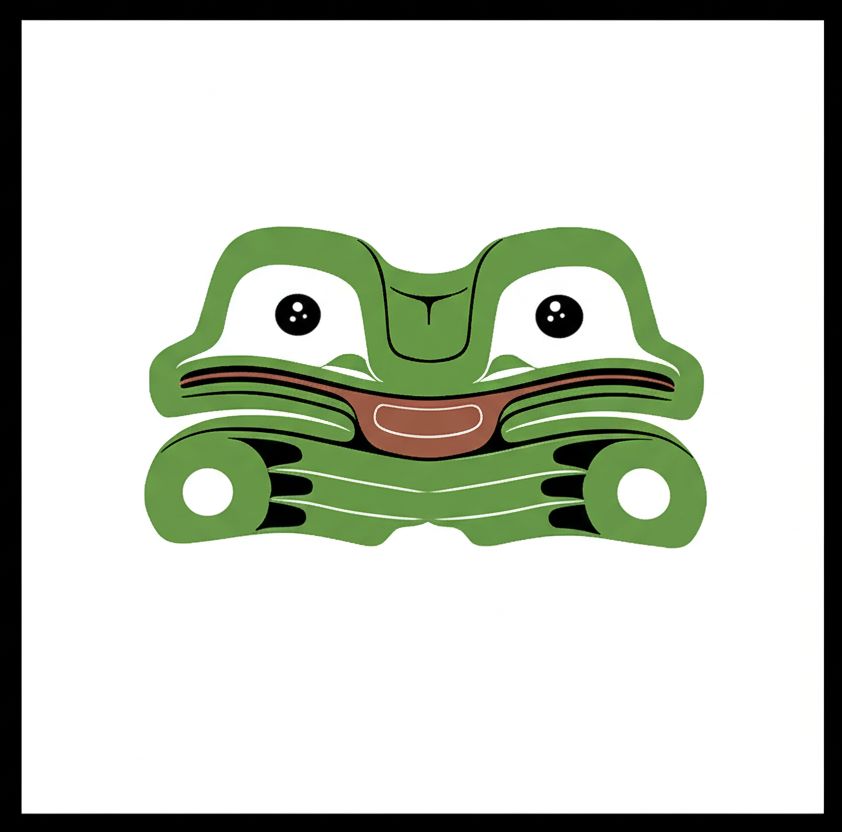
In various Indigenous cultures, particularly those of the Northwest Coast, the frog holds significant symbolic meaning, representing adaptability, transformation, and communication between different realms. They are often depicted in art and regalia, embodying wealth, abundance, and good luck. Frogs are also associated with healing, cleansing, and serving as spirit helpers for shamans.
Here's a more detailed look at the symbolism:
Adaptability and Transformation: Frogs' ability to live both in water and on land symbolizes their adaptability and ability to move between different realms, including the human and spirit worlds. Their transformation from tadpoles to adults also represents change and renewal.
Communication: Frogs are seen as communicators, often depicted with large eyes and protruding tongues, representing the sharing of knowledge and power. In some cultures, their croaking in the spring signals the end of winter ceremonies and the start of the hunting and fishing season.
Wealth and Abundance: In some traditions, frogs are symbols of wealth and abundance, and carrying a frog charm or coin is believed to prevent financial loss.
Healing and Cleansing: Many cultures associate frogs with healing and cleansing, with shamans sometimes using them as spirit helpers.
Artistic Representations: Frogs are frequently featured in Northwest Coast art, including totem poles, house posts, and various other forms. They are often depicted with specific features like large eyes, prominent lips, and webbed feet. The frog's outstretched legs symbolize stability, and their presence on house posts is meant to ward off danger.